
Mining & Minerals
Exploration, extraction and concentration of metallic and industrial minerals.
Overview
Exploration, extraction and concentration of metallic and industrial minerals.
Key data
- Type
- mining
- Commodities
- Copper, Cobalt, Bauxite, Iron Ore, Gold, Graphite, Lithium, Uranium, Nickel
- Countries
- Mozambique, Democratic Republic of the Congo, South Africa, Guinea, Zambia, Namibia, Morocco, Tanzania, Angola, Ghana, Botswana
- Value chains
- Bauxite → Alumina → Aluminium, Copper to cathode, Battery materials, Iron ore to steel

Related projects
Kamoa-Kakula Copper Complex
One of the world's largest and highest-grade copper complexes, with power supply and export logistics as the defining constraints.
- Capacity
- Multi-phase concentrator capacity; see operator disclosures
- Status
- Operating with phased expansion and on-site smelter
Simandou Iron Ore
High-grade iron ore development integrating a mine with roughly 600 km of new railway and a deepwater port, transforming Guinea's logistics base.
- Capacity
- High-grade iron ore; see operator disclosures
- Status
- Mine, trans-Guinean railway and port under development
Balama Graphite Operation
One of the world's largest natural graphite operations, supplying feedstock into the battery anode value chain.
- Capacity
- Natural flake graphite; see operator disclosures
- Status
- Operating with production rates managed to market conditions
Kansanshi S3 Expansion
Expansion of Zambia's largest copper mine through a new processing train, central to national copper output growth targets.
- Capacity
- New processing train raising throughput; see operator disclosures
- Status
- Expansion executing
Kabanga Nickel Project
One of the largest development-stage nickel sulphide deposits worldwide, paired with a planned in-country hydrometallurgical refinery.
- Capacity
- To be verified
- Status
- Development stage
Husab Uranium Mine
Large open-pit uranium mine supplying the nuclear fuel cycle, exporting through Walvis Bay.
- Capacity
- To be verified
- Status
- Operating
Tenke Fungurume
One of the largest copper-cobalt operations in the world, central to global cobalt supply.
- Capacity
- Major copper and cobalt output; see operator disclosures
- Status
- Operating
Related companies
 mining
Ivanhoe Mines
Vancouver, Canada
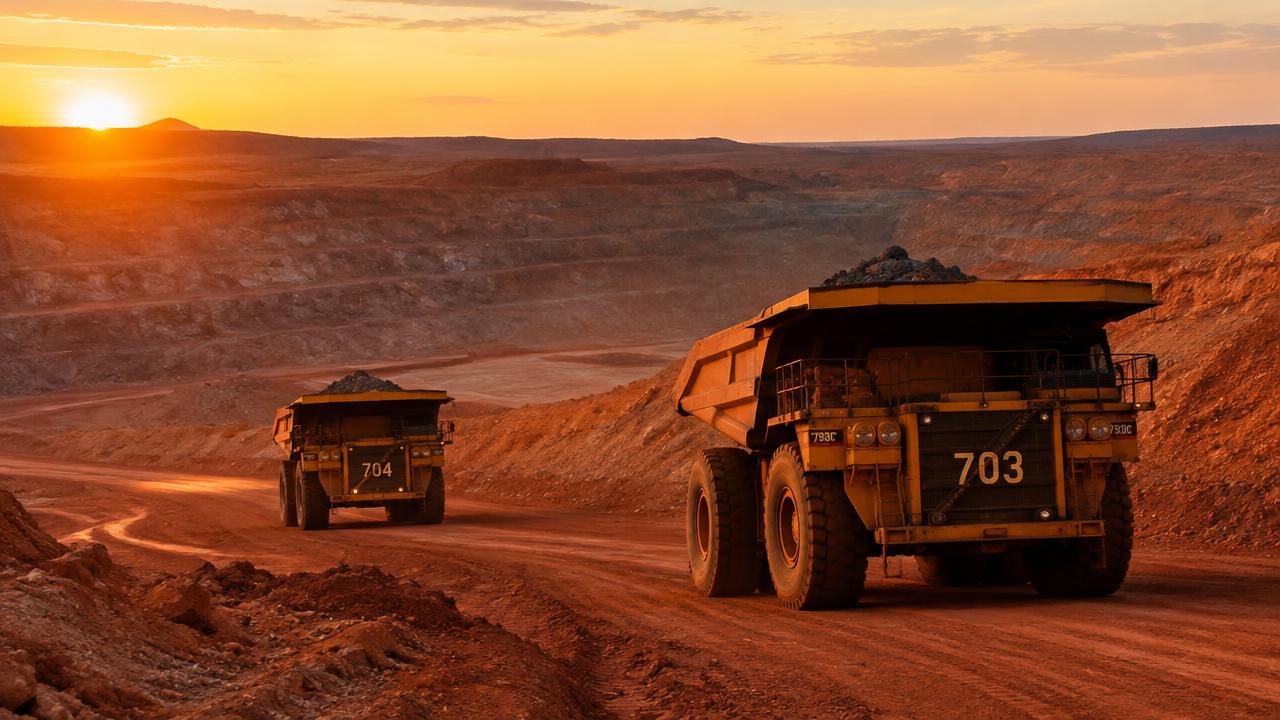
Co-developer of the Kamoa-Kakula copper complex in the DRC, among the highest-grade large copper mines in the world.
miningRio Tinto
London, United Kingdom
Developing blocks 3 and 4 of the Simandou iron ore project in Guinea with partners, including associated rail and port infrastructure.
 mining
First Quantum Minerals
Vancouver, Canada
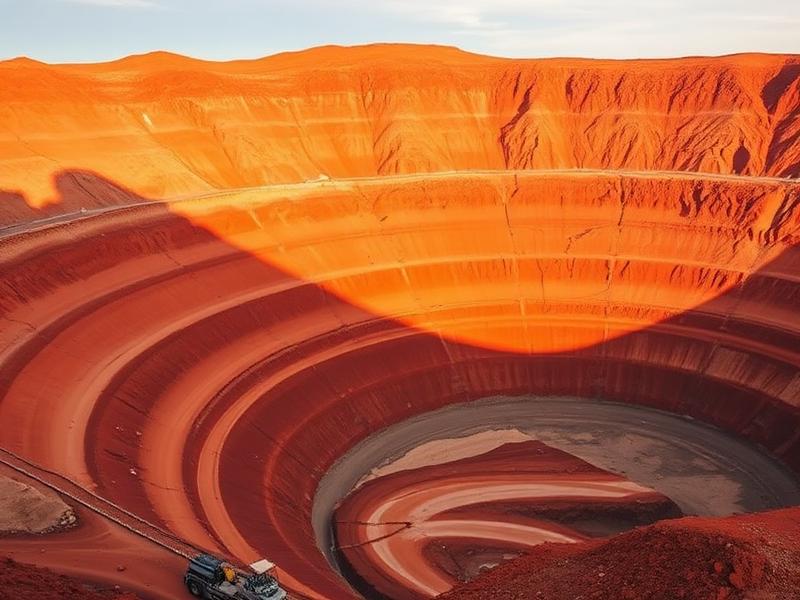
Operator of Kansanshi and Sentinel in Zambia, with the Kansanshi S3 expansion extending mine life and throughput.
 metals
South32
Perth, Australia
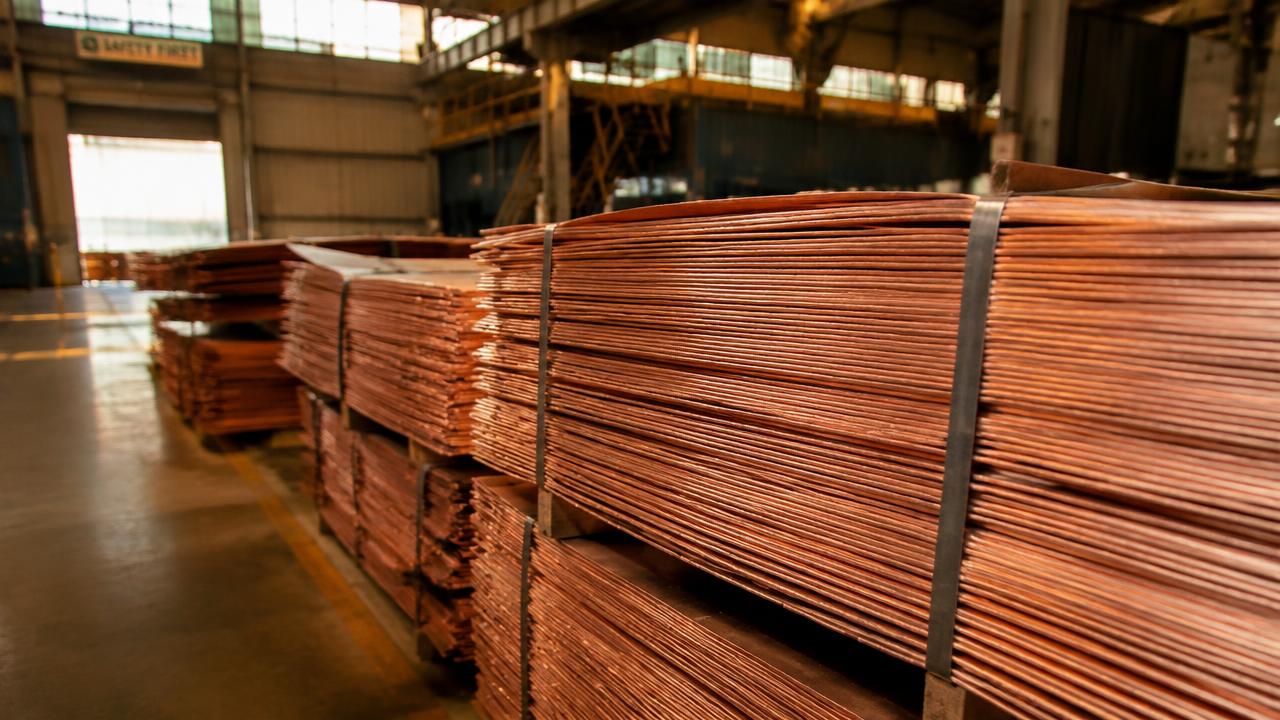
Operates Mozal Aluminium in Mozambique and Hillside Aluminium in South Africa, two of Africa's largest smelters.
miningCMOC Group
Luoyang, China
Operator of Tenke Fungurume and Kisanfu in the DRC, making it one of the world's largest cobalt producers.
miningLifezone Metals
Isle of Man
Developing the Kabanga nickel project in Tanzania with a hydrometallurgical refining route intended to keep processing in-country.
miningSyrah Resources
Melbourne, Australia
Owner of the Balama graphite operation in Cabo Delgado, Mozambique, supplying natural graphite for anode markets.
miningOCP Group
Casablanca, Morocco
State-owned phosphate and fertilizer group investing heavily in renewable power and green industrial processes.
miningSwakop Uranium
Swakopmund, Namibia
Operator of the Husab uranium mine in the Namib Desert, one of the largest uranium mines globally.
Related countries
Mozambique
Mozambique combines world-scale offshore gas in the Rovuma Basin with graphite, heavy sands, coal and the Mozal aluminium smelter, making it one of Africa's most connected energy-to-industry economies.
Democratic Republic of the Congo
The DRC hosts the highest-grade major copper mines in the world and dominates global cobalt supply, with the Lobito Corridor reshaping how that output reaches international markets.
South Africa
South Africa has the continent's deepest mining, metals and chemicals industrial base, and its energy agenda is dominated by Eskom's generation fleet, transmission capacity and the renewables procurement programme.
Guinea
Guinea is the world's leading bauxite exporter and host of Simandou, one of the largest untapped high-grade iron ore deposits, developed together with a trans-Guinean railway and a new port.
Zambia
Zambia's copper growth ambition depends as much on hydropower availability and Lobito Corridor logistics as on orebody quality.
Namibia
Namibia is a top-tier uranium producer and has become the most closely watched frontier oil province in Africa following Orange Basin discoveries.
Morocco
Morocco pairs the Noor Ouarzazate solar complex and strong wind resources with OCP's phosphate industry and a growing automotive and battery-materials ambition.
Tanzania
Tanzania hosts the Kabanga nickel deposit and significant gold production, while the onshore LNG project remains subject to commercial agreement.
Angola
Angola remains a major deepwater producer and, through the Lobito Atlantic Railway concession, is positioning as the Atlantic export route for Central African copper and cobalt.
Ghana
Ghana is among Africa's largest gold producers, with offshore oil production at Jubilee and TEN and an emerging lithium development agenda.
Botswana
Botswana's economy is anchored on diamond mining through the Debswana partnership between the government and De Beers, with coal resources and a growing copper belt in the Kalahari.
Related commodities
Copper
The core electrification metal. African supply is concentrated in the Central African Copperbelt across the DRC and Zambia.
Cobalt
Battery cathode input produced largely as a copper by-product in the DRC, which accounts for the majority of world mine supply.
Bauxite
Guinea is the world's largest bauxite exporter; the strategic question is how much value is captured through domestic alumina refining.
Iron Ore
Simandou introduces a new high-grade supply source into the seaborne market, with rail and port capacity as the critical path.
Gold
Ghana, South Africa, Mali, Tanzania and Burkina Faso anchor African gold output across large-scale and artisanal production.
Graphite
Anode feedstock. Mozambique and Tanzania hold some of the largest natural flake graphite resources outside China.
Lithium
Zimbabwe, Mali, Namibia and Ghana have moved African hard-rock lithium from exploration into production and concentrate export.
Uranium
Namibia and Niger are the principal African suppliers into the nuclear fuel cycle.
Nickel
Kabanga in Tanzania is one of the largest development-stage nickel sulphide deposits globally.
Value chains
Bauxite → Alumina → Aluminium
Bauxite mining → alumina refining → aluminium smelting, with power intensity as the binding constraint.
Copper to cathode
Ore → concentrate → smelting/SX-EW → cathode → logistics corridor → global markets.
Battery materials
Lithium, graphite, nickel and cobalt feedstock → active materials → cells.
Iron ore to steel
Iron ore → rail and port logistics → pellets/sinter → steelmaking.
Related infrastructure
Lobito Atlantic Railway
Rail concession linking the Angolan port of Lobito to the Copperbelt in the DRC and Zambia, shortening export routes for copper and cobalt.
Trans-Guinean Railway
Heavy-haul railway built to move Simandou iron ore from southeastern Guinea to a new deepwater port.
Nacala Logistics Corridor
Rail and port corridor serving coal, graphite and general cargo from northern Mozambique and Malawi.
Port of Walvis Bay
Namibia's principal port, handling uranium exports and serving as a gateway for regional corridors.
Inga Hydropower Complex
Congo River hydropower complex central to any credible plan to power DRC mining growth.
Morébaya Port
New iron ore export port built to serve the Simandou trans-Guinean corridor.
Related news
Lobito Corridor volumes become the metric to watch for Copperbelt exports
The Atlantic route shortens transit versus east coast alternatives; realised tonnage will determine its strategic weight.
SimFer begins staged commissioning of Morebaya port for Simandou
Stacker-reclaimers and shiploaders are being commissioned. The port was 85% complete at end-H1 2026, with full commissioning expected in Q1 2027; ore ships via the WCS port meanwhile.
Simandou corridor: rail and port works define the critical path
Guinea's iron ore ambition is bounded less by orebody quality than by the trans-Guinean railway and port commissioning sequence.
Copperbelt growth keeps running into the power question
Expansion plans in Lualaba and North-Western Province depend on firm electricity, placing hydropower rehabilitation and imports at the centre of copper strategy.
Tanzania positions Kabanga as an in-country refining model
The project's hydrometallurgical route is framed as a test of whether African nickel can move beyond concentrate export.
DRC holds cobalt exports to 96,600 tonnes a year as refining stays in China
The DRC caps cobalt exports at 96,600 tonnes a year, while processing remains concentrated in China, according to Le Point.cd's review after the 23–25 September Trump–Xi meeting.
Guinea presses for domestic alumina refining
Policy signalling continues to favour in-country value addition over raw bauxite export, with power supply the decisive constraint.
Government reaffirms sovereign guarantee to Mozambique LNG creditors
Mozambique's government has reaffirmed its sovereign guarantee to the lenders financing the Mozambique LNG project, as reported by Club of Mozambique.
Related intelligence
Africa's critical minerals: concentrate exporter or materials producer?
Graphite, lithium, nickel and cobalt endowments are established. Processing location is the open question that determines value capture.
African copper growth is a power and logistics problem
Grade is not the constraint in the Central African Copperbelt. Firm electricity and export corridor capacity are.
Why bauxite value addition keeps stalling
Alumina refining is capital-heavy and energy-intensive; the economics turn on long-term power price, not on ore availability.
Country intelligence: Mozambique resource economy
Gas, graphite, coal, heavy sands and aluminium in one economy — and the infrastructure that determines whether they connect.
From molecules to metal: can Mozambique convert gas into industry?
Mozambique's strategic question is not whether it can export LNG, but whether any of those molecules become domestic industrial capacity.
African liquefaction capacity: what is actually under construction
Separating announced capacity from sanctioned, financed and physically progressing capacity across Nigeria, Mozambique and Egypt.