
South Africa
Industrial depth, grid constraint, transition pressure
Overview
South Africa has the continent's deepest mining, metals and chemicals industrial base, and its energy agenda is dominated by Eskom's generation fleet, transmission capacity and the renewables procurement programme.
Country at a glance
Economy & macroeconomics
Energy intelligence
- Coal80%
- Nuclear5%
- Solar6%
- Wind5%
- Other renewables4%
Project pipeline
Risk & due diligence
- BB-Fitch RatingsStable · 2025
- BB-S&P Global RatingsPositive · 2025
Grid and generation adequacy
Likelihood 3/3 · Impact 3/3
Transmission capacity, not project pipeline, is the binding constraint on new renewable connections.
Rail and port performance
Likelihood 3/3 · Impact 2/3
Bulk export volumes track rail availability more closely than mine capacity.
Governance & legal framework
Grants prospecting and mining rights and sets energy policy.
Licenses generation and regulates electricity, piped gas and petroleum pipelines.
- InvestSAInvestment promotion
One-stop shop for investor facilitation and permitting.
Law · mining · Republic of South Africa
Law · power · Republic of South Africa
Outlook
- Coal fleet retirement schedule
- Private generation build-out
Nexus reads South Africa's transition pace as set by transmission investment and private generation licensing rather than by generation cost.
Drivers are sourced; the reading is Nexus analysis, not a forecast.
International Energy Agency ·Explore by commodity
Aluminium
Smelting is a power business. Africa's largest smelters — Mozal in Mozambique and Hillside in South Africa — depend on long-term electricity supply.
Iron Ore
Simandou introduces a new high-grade supply source into the seaborne market, with rail and port capacity as the critical path.
Gold
Ghana, South Africa, Mali, Tanzania and Burkina Faso anchor African gold output across large-scale and artisanal production.
Coal
South African thermal coal and Mozambican coking coal remain significant export earners and power-sector inputs.
Platinum Group Metals
South Africa's Bushveld Complex holds the largest platinum group metal reserves in the world and supplies the majority of global mined platinum, with Zimbabwe the second African source.
Related companies
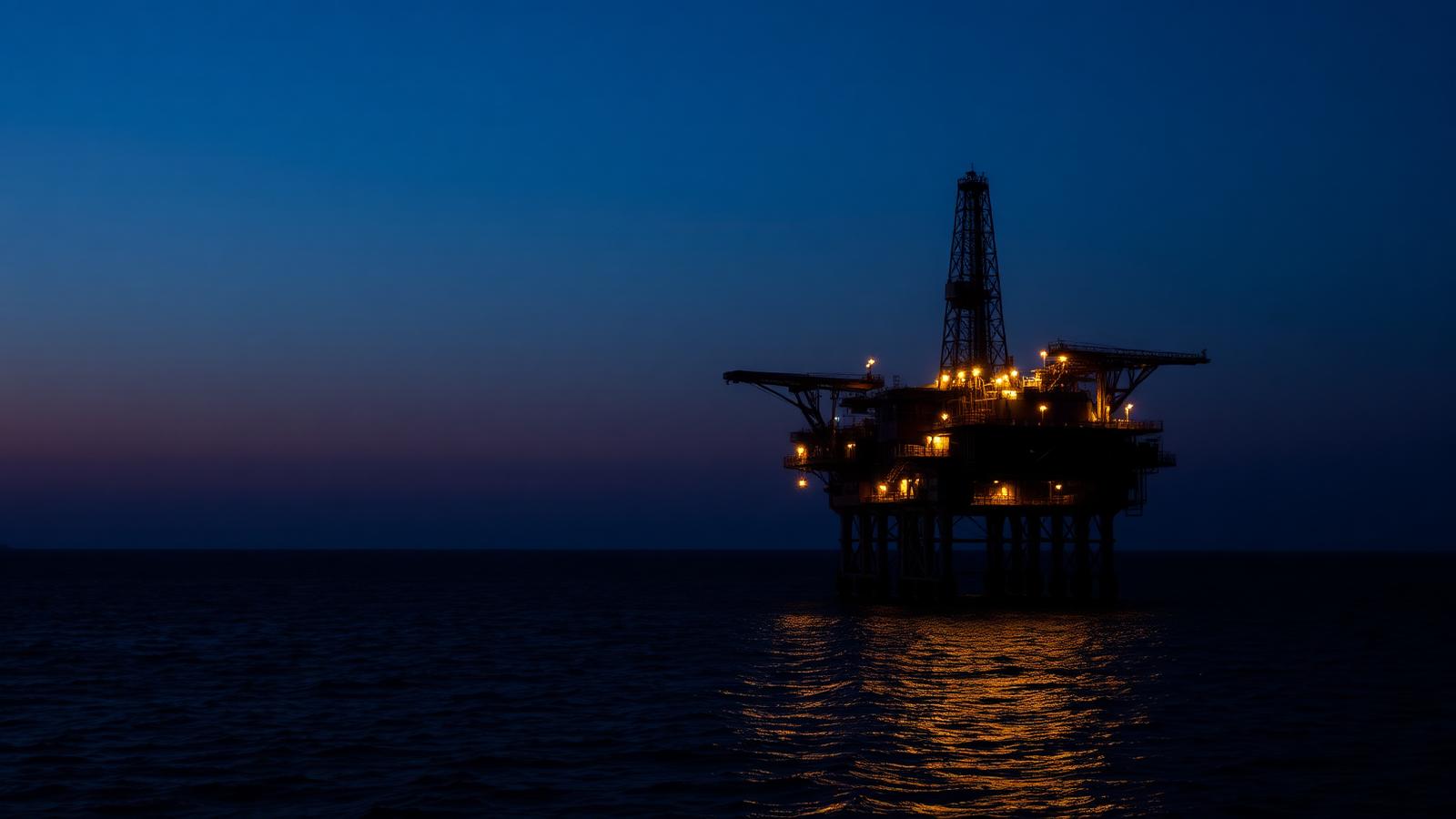 oil gas
TotalEnergies
Courbevoie, France
Operator of the Mozambique LNG onshore project in Area 1 and a large upstream portfolio across Africa, alongside renewables investments.
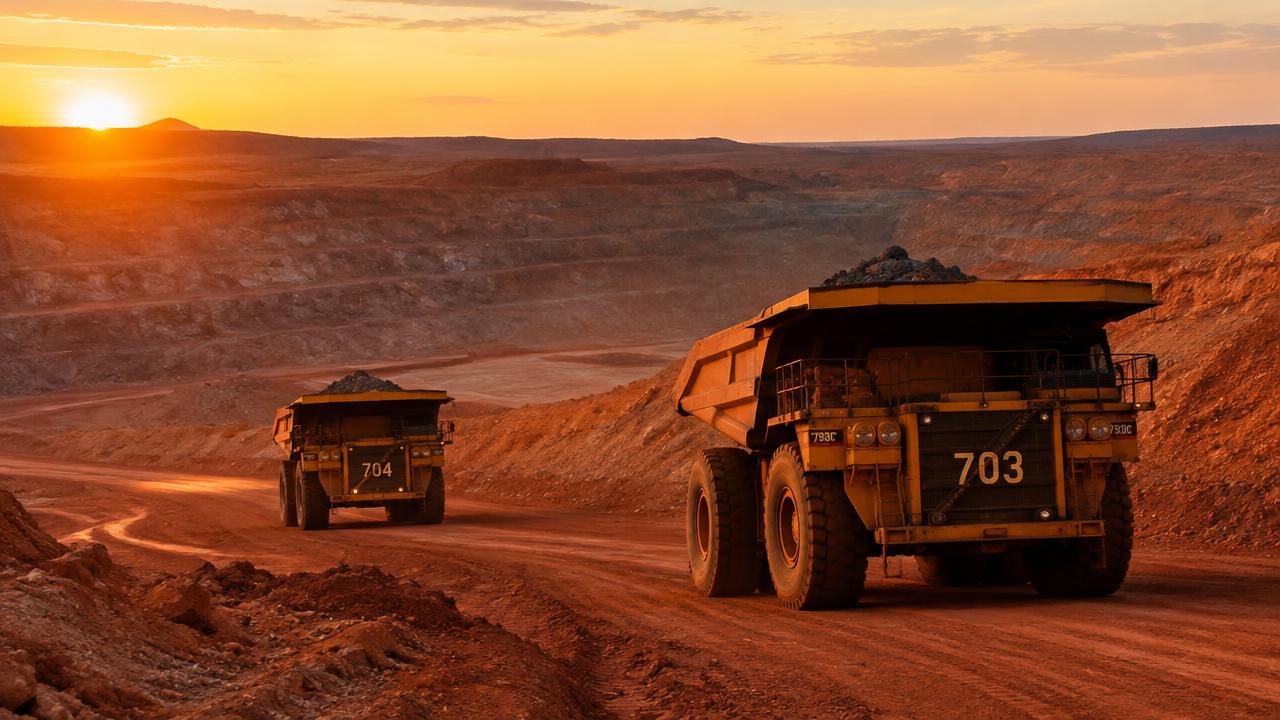 mining
Ivanhoe Mines
Vancouver, Canada
Co-developer of the Kamoa-Kakula copper complex in the DRC, among the highest-grade large copper mines in the world.
miningRio Tinto
London, United Kingdom
Developing blocks 3 and 4 of the Simandou iron ore project in Guinea with partners, including associated rail and port infrastructure.
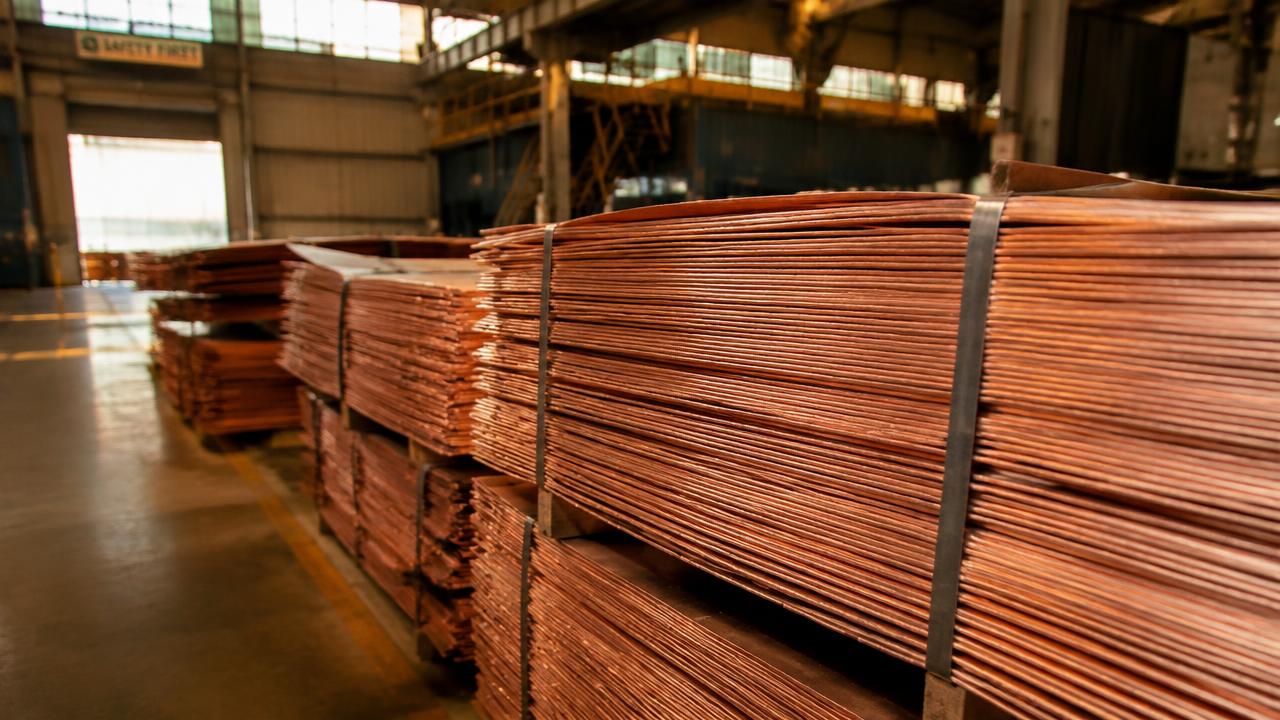 metals
South32
Perth, Australia
Operates Mozal Aluminium in Mozambique and Hillside Aluminium in South Africa, two of Africa's largest smelters.
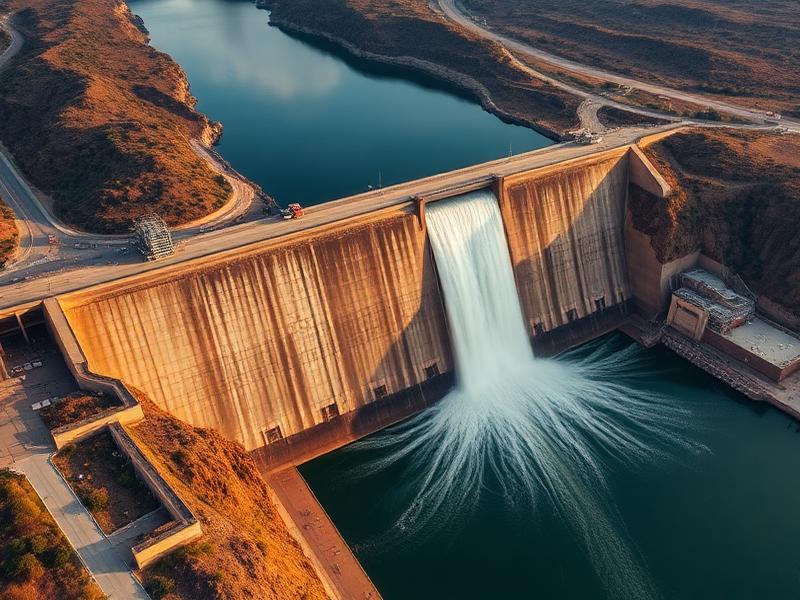 power
Eskom
Johannesburg, South Africa
State-owned utility responsible for the majority of South Africa's generation and for the national transmission network.
 mining
Lifezone Metals
Isle of Man
Developing the Kabanga nickel project in Tanzania with a hydrometallurgical refining route intended to keep processing in-country.
Related industries
Power
Generation, transmission and distribution, including hydro, gas, coal and nuclear capacity.
Mining & Minerals
Exploration, extraction and concentration of metallic and industrial minerals.
Metals & Industrial
Smelting, refining, alumina and aluminium production, steel, coke and downstream industrial manufacturing.
Energy Transition
Critical minerals, battery materials, renewables, storage, grid infrastructure and electrification.
Related news
Eskom energy availability reaches 68.2%, highest in six years
Eskom reports a financial-year-to-date Energy Availability Factor of 68.2%. Year-to-date diesel spend fell R4.87 billion (80.47%) to R1.18 billion, and the utility reports 5,695 MW of surplus capacity.
Transmission capacity, not generation, now frames South Africa's renewables debate
Grid access constraints in high-resource provinces are the binding factor for new renewable capacity.
SimFer begins staged commissioning of Morebaya port for Simandou
Stacker-reclaimers and shiploaders are being commissioned. The port was 85% complete at end-H1 2026, with full commissioning expected in Q1 2027; ore ships via the WCS port meanwhile.
Simandou corridor: rail and port works define the critical path
Guinea's iron ore ambition is bounded less by orebody quality than by the trans-Guinean railway and port commissioning sequence.
Government reaffirms sovereign guarantee to Mozambique LNG creditors
Mozambique's government has reaffirmed its sovereign guarantee to the lenders financing the Mozambique LNG project, as reported by Club of Mozambique.
TotalEnergies completes entry as operator of Namibia's PEL83, holding Mopane
TotalEnergies now holds a 40% operated interest in PEL83 alongside Galp (40%), Namcor (10%) and Custos (10%), after completing its December 2025 transaction with Galp.
Mozambique LNG works advance at Afungi as contractors remobilise
Operator communications point to renewed onshore activity on the Afungi site. Confirm scope, schedule and workforce figures directly with the operator.
Copperbelt growth keeps running into the power question
Expansion plans in Lualaba and North-Western Province depend on firm electricity, placing hydropower rehabilitation and imports at the centre of copper strategy.
Related intelligence
Country intelligence: Mozambique resource economy
Gas, graphite, coal, heavy sands and aluminium in one economy — and the infrastructure that determines whether they connect.
From molecules to metal: can Mozambique convert gas into industry?
Mozambique's strategic question is not whether it can export LNG, but whether any of those molecules become domestic industrial capacity.
Why bauxite value addition keeps stalling
Alumina refining is capital-heavy and energy-intensive; the economics turn on long-term power price, not on ore availability.
- Eskom Holdings SOC Ltd
Generation and transmission information
Last verified 26 Aug 2026Verified
Every factual record carries its source organisation, link and verification status. Where a value cannot be verified from a primary public source, Nexus records it as not available.